
care first victoryMeasure J
about measure jA People’s Mandate for Care First
In November 2020, LA County voters made history by passing Measure J with 57% of the vote.
A groundbreaking County charter amendment that fundamentally changes how LA County invests its resources and defines public safety.

What exactly does Measure J do for our community?
Measure J requires that at least 10% of the County’s locally generated, unrestricted general funds be invested in:
Community-based youth development programs
Job training and small business support
Housing and homelessness prevention
Mental health and substance use treatment
Alternatives to incarceration
The measure also prohibits these funds from being used for:
Carceral institutions
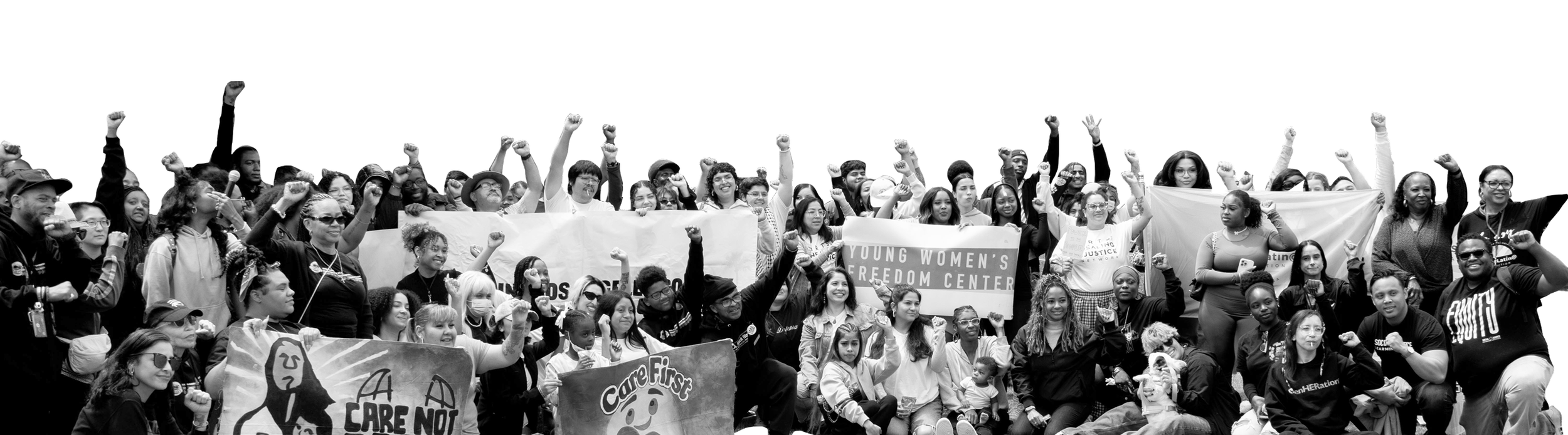
WHY IT MATTERS
For decades, L.A. County has spent the majority of its budget on policing and incarceration, often at the expense of basic needs like housing, healthcare, and jobs.
This has led to deep racial and economic inequities, cycles of harm, and a system that punishes poverty and mental illness instead of addressing them. Measure J flips that script.
A shift in priorities
We are moving from a system rooted in punishment and control to one grounded in care, prevention, and opportunity.
A structural change
By writing this commitment into the County charter, Measure J creates a legal mandate that cannot be undone by shifting political priorities.
Setting the Funding MethodologyGuaranteeing Funds Support Care First
That’s where the Care First Community Investment Advisory Committee comes in. This is how we did it:
Setting the foundationEstablishing CFCI
Following the court ruling, the Board established the Care First Community Investment (CFCI) budget unit and renamed the advisory body as the Care First Community Investment Advisory Committee
Oversight & accountabilityThe Role of CFCI
The committee provides recommendations on how funds should be allocated, ensuring investments align with Measure J priorities and community needs.
valuesCFCI Principles
CFCI is guided by equity, transparency, and community voice—prioritizing investments that prevent harm and support long-term stability.
The resultsour impact
Measure J proves what’s possible when communities lead.
Voter PowerMore than 2.1 million voters said yes
A majority of L.A. County voters chose to invest in care, sending a clear mandate for change.
Structural changePermanent change in the County charter
Measure J embedded Care First funding into law, creating lasting accountability for how resources are spent.
REAl investmentsHundreds of millions to Care First services
Since its passage, significant funding has been directed toward housing, mental health care, youth programs, and alternatives to incarceration.
Continued AdvocacyOngoing budget advocacy
We continue to organize and push for full implementation to ensure Measure J delivers on its promise.
Stay engagedWhy engagement matters
Winning Measure J was just the beginning. We continue to fight to:
Ensure every dollar is spent on life-affirming services, not bureaucracy or delays.
Advance a Care First Budget that aligns all County spending with Measure J’s vision.
Expand participatory budgeting so residents have direct say over public funds.
Protect Measure J from political rollbacks and ensure it grows with the County’s needs.
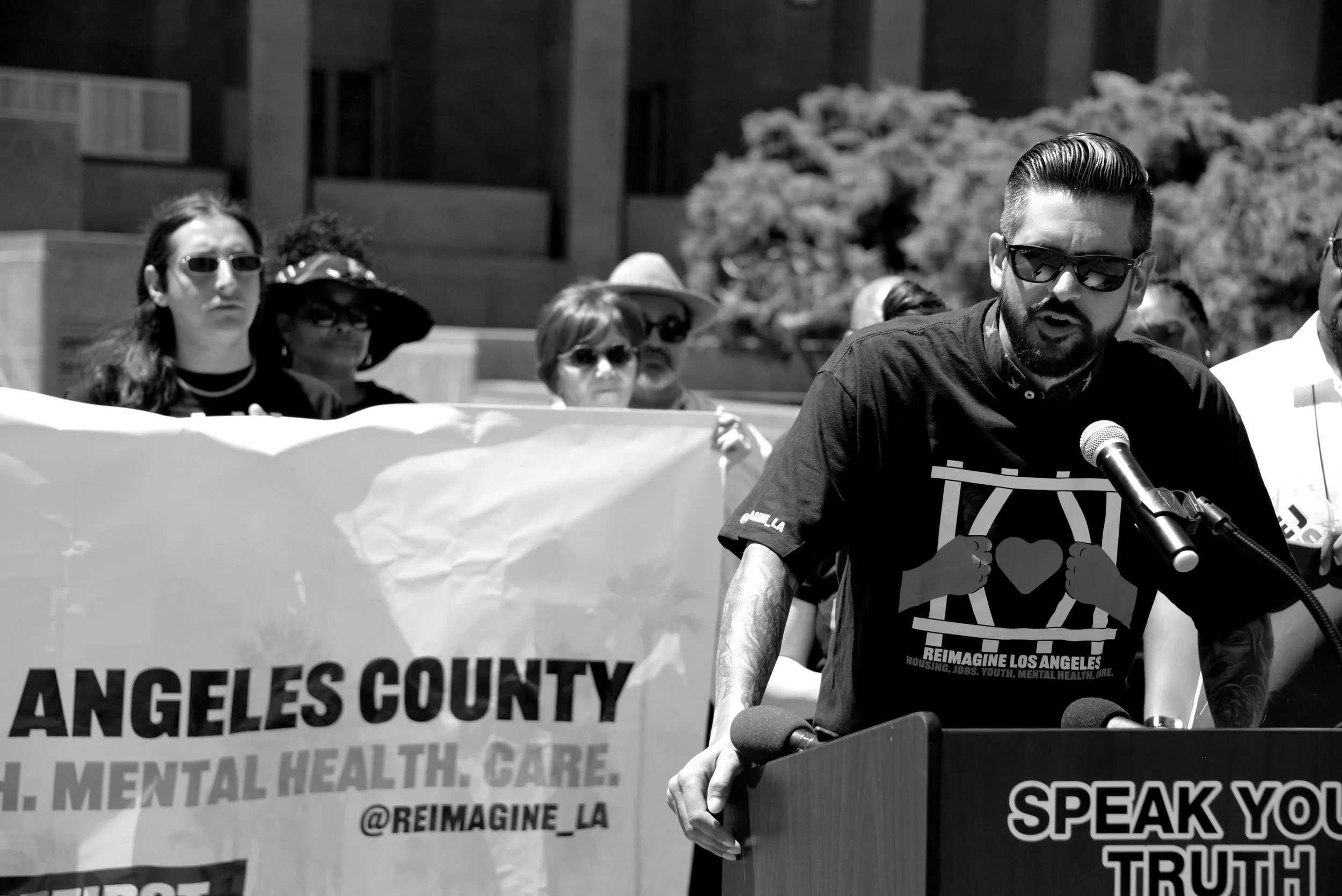

Sign upget involved
We didn’t come this far to only come this far
Measure J was successful because of the outpouring of support from advocates, community members, and the public who believed deeply that we address racial injustice by investing in health, housing, and jobs.