
Learn & Take actionResources
& updates
Understand how L.A. County makes budget decisions—and how you can shape them.
Explore tools, explainers, and updates designed to break down the County budget and decision-making process. Whether you're new to the movement or a longtime advocate, these resources help you stay informed, build power, and advocate for investments that put care first.
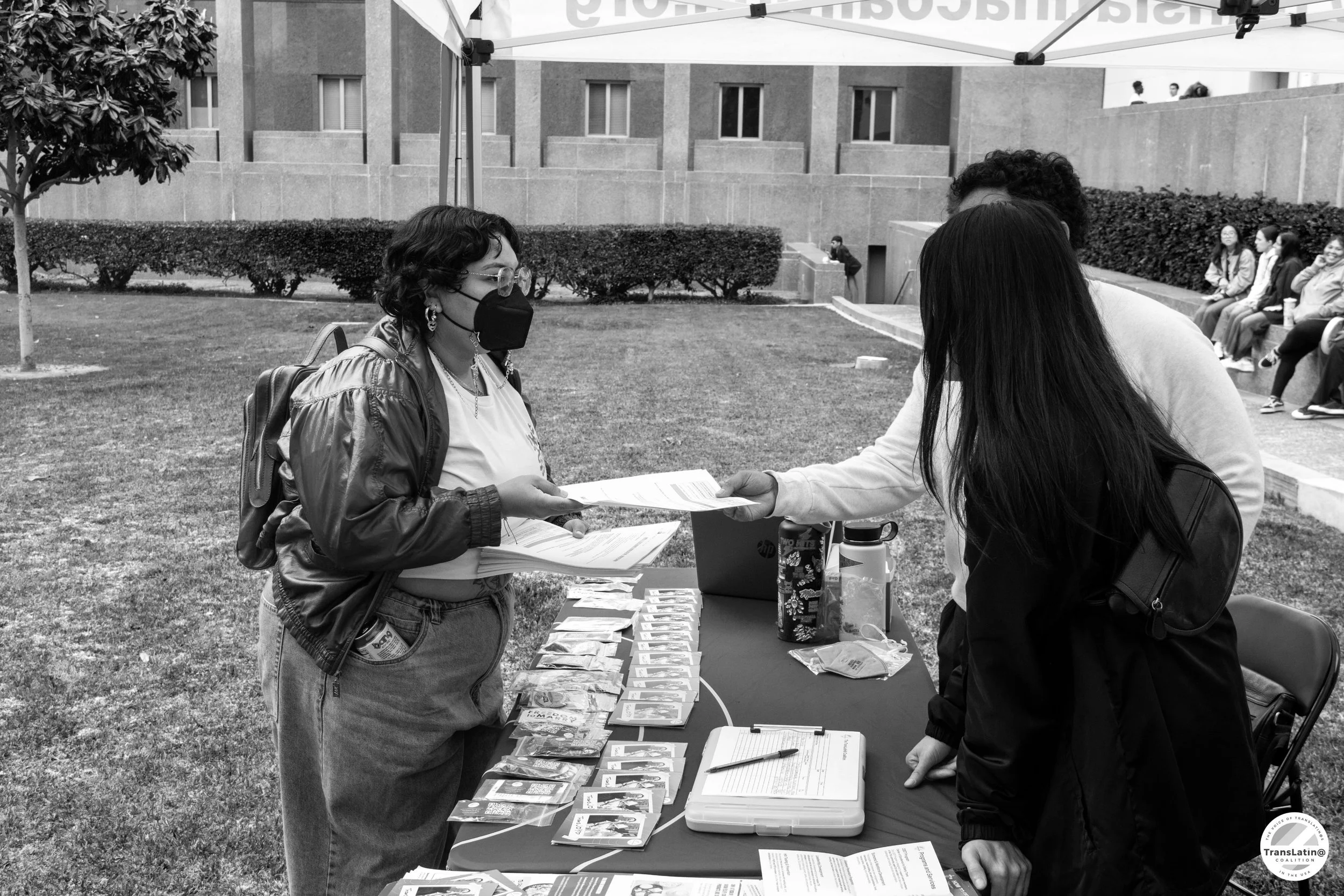
Budget 101all things budget process
Learn how billions of public dollars are decided—and where community voice fits in.
The L.A. County budget determines how resources are allocated across departments, programs, and services. Understanding this process is key to shifting investments away from punishment and toward care.
Understanding the budgetthe budget process
The County budget operates on a fiscal year schedule: July–June.
Each year’s budget is created the year prior. During this time, the budget moves through multiple phases before it is ultimately adopted.
01Department proposals
Agencies submit funding requests
County departments propose budgets based on operational needs, priorities, and projected costs for the upcoming fiscal year.
02CEO review
Priorities are shaped
The Chief Executive Office reviews departmental requests, adjusts funding levels, and develops a recommended budget proposal.
03Recommended Budget Released
Public review begins
The County releases its proposed budget, outlining how billions of dollars may be spent in the coming year.
04Public Input
Community voices weigh in
Residents, advocates, and organizations provide feedback through public hearings, meetings, and organized advocacy efforts.
05Adoption & Implementation
Final decisions are made
The Board of Supervisors revises and adopts the final budget, which goes into effect at the start of the fiscal year.
Power & AccountabilityGet to know the board of supervisors
Five elected officials control how billions of public dollars are spent in L.A. County.
The Board of Supervisors makes key decisions about funding, policies, and priorities that impact millions of residents. Their votes determine whether resources go toward systems of care—or systems of harm.
decision-makingHow Decisions Get Made
Budget decisions are shaped through proposals, negotiations, and public pressure.
While the budget process follows a formal structure, advocacy and community engagement play a critical role in influencing outcomes.
01agenda setting
What gets discussed
Items are placed on the Board agenda, including budget proposals, motions, and funding decisions.
02Committee & Staff review
Behind-the-scenes analysis
Staff review proposals, conduct analysis, and advise Supervisors on potential impacts and tradeoffs.
03public comment
Community voices matter
Residents and advocates speak during Board meetings to influence decisions and hold elected officials accountable.
04Deliberation & Amendments
Decisions take shape
Supervisors debate proposals, negotiate priorities, and introduce changes to the budget or policies.
05Vote & Adoption
Final authority
The Board votes on proposals. A majority determines the outcome—and how public dollars are ultimately spent.
Sign upGet involved
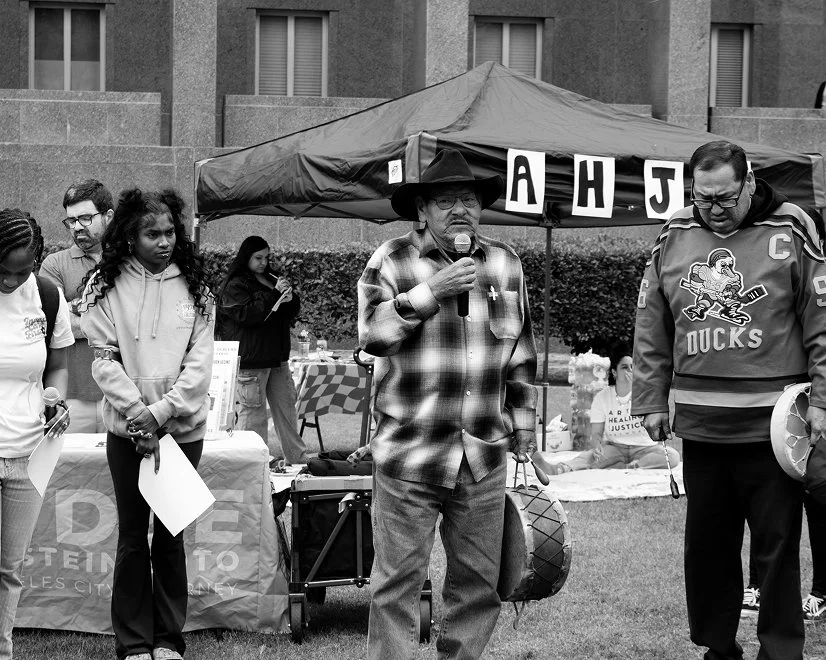
Measure J was successful because of the outpouring of support from advocates, community members, and the public who believed deeply that we address racial injustice by investing in health, housing, and jobs. Join us in continuing the fight.
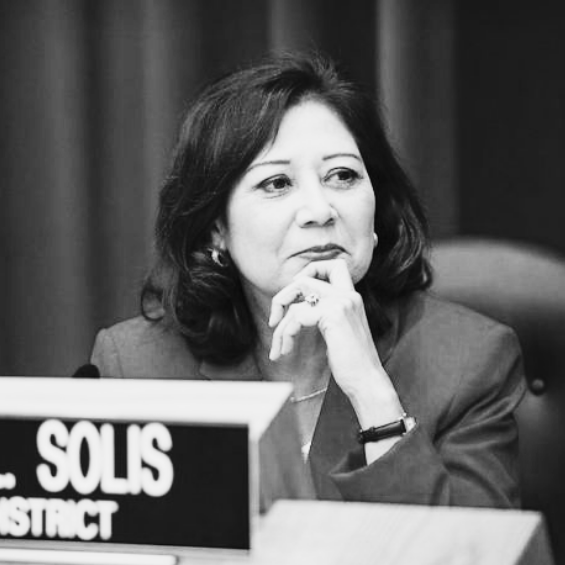
County LeadershipBoard of supervisors
The five elected officials who govern L.A. County and make decisions on how billions in public dollars are allocated across services, systems, and communities.




ExploreResources
Tools, reports, and guides to help you understand and take action.
Browse our collection of resources to learn how the budget works, stay updated on key issues, and find ways to get involved in advancing a Care First future.
ReportMeasure J Year One Spending Plan
Measure J's first-year spending plan invested $170.9 million in direct community investment and alternatives to incarceration, expanding Care First programs that help communities thrive.
Read the plan
ReportCare First, Jails Last: Alternatives to Incarceration
This report offers 114 recommendations to reduce incarceration, advance racial equity, and build a justice system rooted in care, informed by both impacted communities and systems leaders.
read the report
ReportGender Responsive Advisory Committee Report
Developed over two years, this report outlines recommendations to improve outcomes for women and gender-expansive people while advancing L.A. County's Care First, Jails Last vision of community-based care over incarceration.
Read the recommendations