
Power to the peopleParticipatory budgeting
about the campaignpublic-led investment in action
Participatory budgeting puts decision-making power directly in the hands of the people most impacted.
Instead of decisions being made behind closed doors, participatory budgeting invites community members to decide how public dollars are spent—ensuring investments reflect real needs, lived experiences, and local priorities.
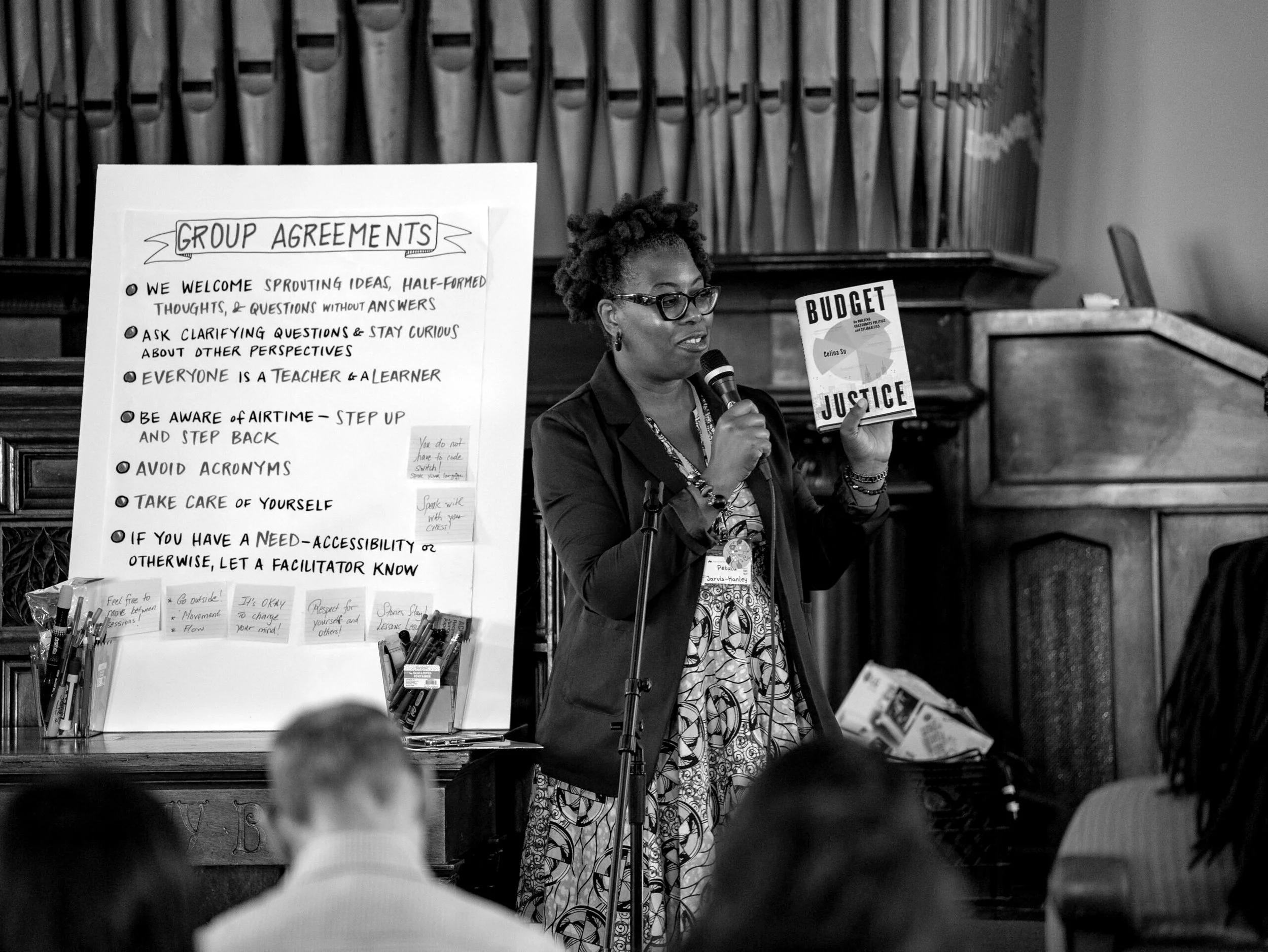
What is participatory budgeting?
It’s a democratic process where residents propose, develop, and vote on how to allocate public funds in their communities.
In partnership with Supervisor Holly Mitchell’s office, we helped lead a participatory budgeting pilot that engaged local communities in deciding how to invest millions of public dollars—bringing residents directly into the budget process.
More than $1 million was placed directly in the hands of community members to decide how public funds should be spent.
Residents identified local priorities, developed project ideas, and voted on investments that reflected community needs and values.
The pilot demonstrated that communities are best positioned to shape solutions for safer, healthier neighborhoods through democratic decision-making.
This work lays the foundation for a more transparent, inclusive, and accountable system—one where communities don’t just advocate for resources, they help decide where they go.
By shifting decision-making power closer to the people most impacted by public policies, participatory budgeting creates new pathways for civic engagement and community leadership.
The pilot demonstrated that residents are eager to shape the future of their neighborhoods when given meaningful opportunities to participate. As we continue advancing Care First solutions, this model offers a blueprint for building government that is more responsive, equitable, and rooted in community voice.
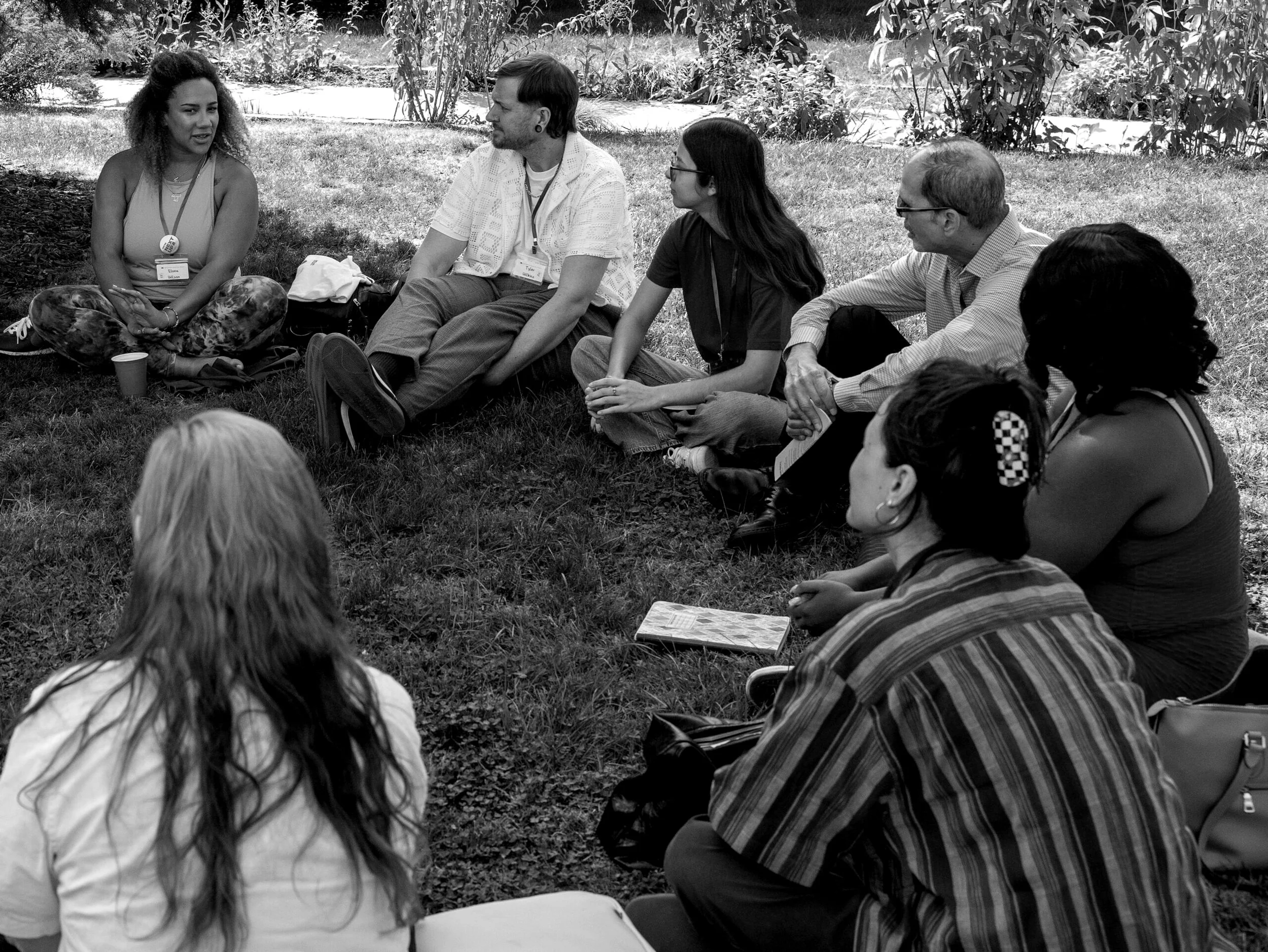
WHY IT MATTERS
Too often, budget decisions are made without the voices of the communities most impacted.
Participatory budgeting shifts that dynamic by creating real pathways for residents to shape decisions, build power, and influence how public dollars are used.
Community knows best
Residents understand their needs better than anyone and should have a direct role in deciding how resources are allocated.
Transparency builds trust
Opening up the budget process creates accountability and ensures decisions are made in the public interest.
Our SolutionPut Decision-Making In Community Hands
We are working to expand participatory budgeting across L.A. County.
By building on successful pilots, we are advocating for participatory budgeting to become a standard part of how the County allocates resources—ensuring ongoing community leadership in funding decisions.
The resultsThe impact
Participatory budgeting is already shifting how decisions are made.
Real participationCommunity-led decision-making
Residents directly shaped how millions of dollars were invested in their communities through the pilot process.
PartnershipCollaboration with District leadership
The pilot with Supervisor Holly Mitchell’s office demonstrated what’s possible when elected officials share power with the communities they serve.
AccessExpanding civic engagement
Participatory budgeting created new entry points for residents—especially those often excluded—to engage in the budget process.
MomentumBuilding toward expansion
The success of the pilot is driving efforts to scale participatory budgeting across the County.
Stay involvedWhy engagement matters
Participatory budgeting only works when communities stay involved.
To expand this work, we need continued participation, advocacy, and pressure to ensure the County commits to making community-led budgeting permanent and accessible to all.
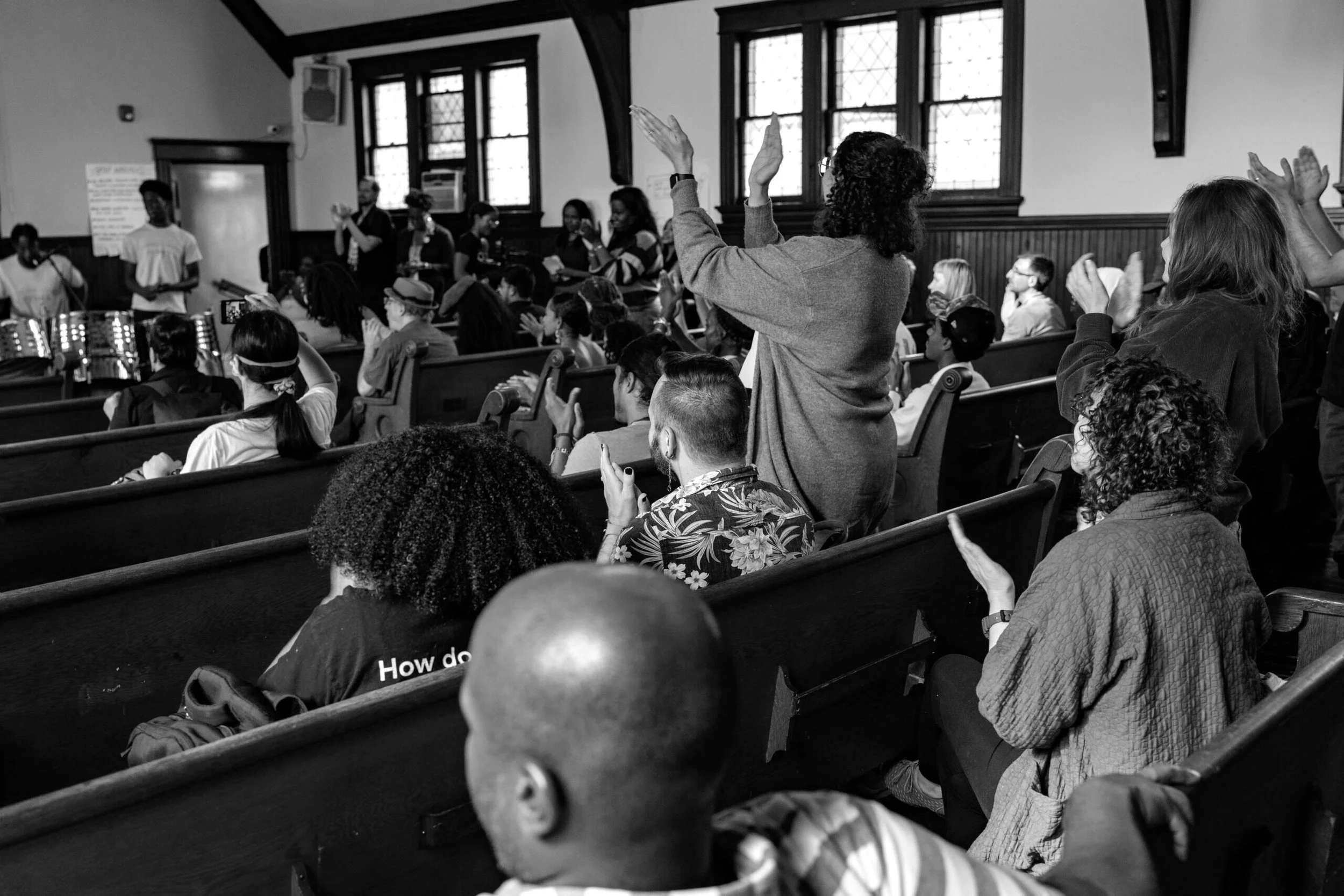
Learn moreResources
Explore tools and materials to understand and engage in participatory budgeting.
Dive into guides, updates, and opportunities to get involved—so you can help shape how public dollars are spent in your community.
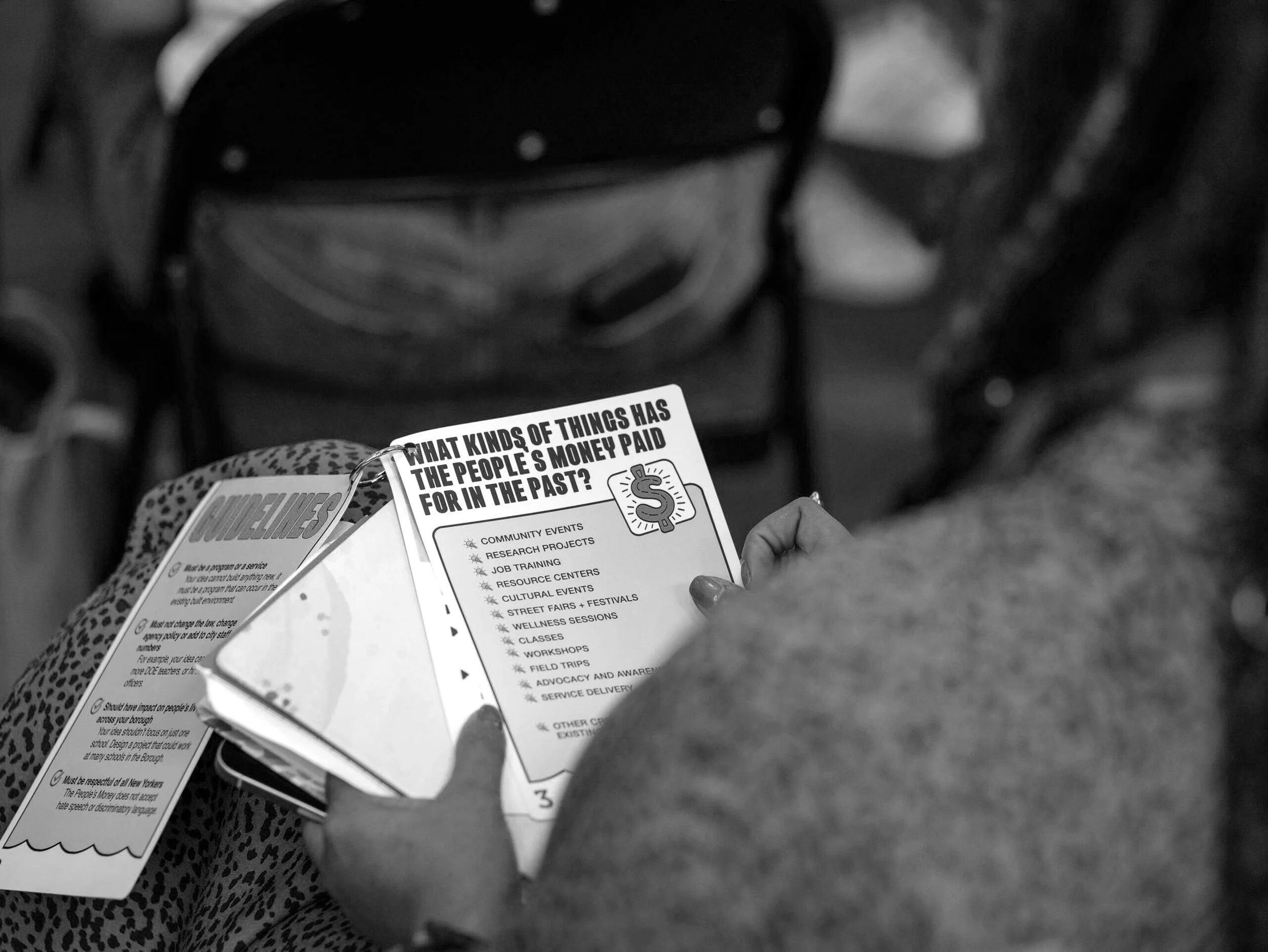

Sign upget involved
We didn’t come this far to only come this far
Measure J was successful because of the outpouring of support from advocates, community members, and the public who believed deeply that we address racial injustice by investing in health, housing, and jobs.